Showing posts with label Fried Hokkien Mee. Show all posts

Wednesday, September 10, 2014

Malaysian Food Street at Resorts World Sentosa

Today's post is a bit unusual...I have featured the food at Malaysian Food Street before. And like the Penang Char Kway Teow and KL Jalan Alor Black Hokkien Mee very much.

I attended a MasterClass where Chef Adolf Tan shared the recipes and some secrets of why these dishes taste better than other places which serve similar in Singapore.

Of course, the reference is still the dishes in the native city. I discussed this with Chef Adolf and he told me that his aim is to achieve about 80% of what can be tasted in Penang or KL. The reason is because some of the ingredients are not available in Singapore, even on special order, as some have a very short shelf life, and others have been restricted by the authorities (like fresh duck eggs which packs a wallop in Penang for their CKT)


The recipe is rather simple...and as usual, simple dishes are the best...in Penang the dish is spelled Char Koay Teow, here is the recipe:

Ingredients: serves 1

200g Koay Teow
35g Bean Sprouts
5g local chives, cut
5g chopped garlic
Chillli paste to taste
35g fresh prawns
15g Chinese sausage
1 egg
30ml pork oil
20ml premium soya sauce, or as an option a dash of fish sauce and pepper

Method:

1, Heat up pork oil in wok until hot...you can see the oil smoking on the wok. Add chopped garlic and prawns.
2. Stir fry till fragrant, and add koay teow and beansprouts. Fry for about 1 minute.
3. add chilli paste, soya sauce and stir fry untill well coated, then add Chnese sausage and chives.
4. Add egg, cook till the egg is done.
5. Garnish and serve.


The Masterclass CKT was cooked on a portable stove, but the regular CKT in MFS is cooked on a super powerful high pressure gas stove...the one which sounds like a jet engine taking off. This will provide the requisite wok hei to the dish, which is so treasured. Traditionally in Penang, the dish is also cooked in a charcoal fire, where a fan is used to stoke the ambers to very high heat. And the charcoal adds an additional depth to the dish, infusing it with smoky flavours for an even more powerful wok hei.

The next dish demonstrated was the Dai Lok Mee...or KL Black Hokkien Mee. 


The special ingredient used when you eat at MFS is the noodle. I often lament that local renditions o this very special dish lacks authenticity as most use either udon or regular mee. But in KL,  the mee is yellow noodle, but thick and has a special flavour. MFS went to the trouble to get the local Singapore noodle manufacture to make the mee in Singapore to be as close to what is obtainable in KL as possible. Chef Adolf shared with me that the manufacture of this mee is only for MFS and the manufacturer is under contract only to supply to them.

The recipe is as follows:

Ingredients: serves 1
200g Dai Lok Mee
25g Choy Sum, cut
50g Round cabbage, cut
5g chopped garlic'
30g pork oil
25g pork loin, sliced
35g fresh prawn meat
20g brown cuttlefish, cut
10g Premium soya sauce
30g Premium Dark Soya sauce
150ml chicken stock made from 250g of chicken bones and 500ml water boiled and reduced to 250ml.

Method
1. Heat up wok with pork oil and add both cut vegetables, pork slices, cuttlefish, prawn and chopped garlic
2. Fry till fragrant, add chicken stock and mee
3. Add soya sauce and dark soya sauce and simmer till sauce coats the noodles
4. Stir well and serve.


Visually, the noodles look very similar to the ones I have eaten in KL. And the fragrance is absolutely captivating. Tastewise, this is probably the closest to KL I have sampled in Singapore, big thanks to the special noodles used.


Malaysian Food Street
Resorts World Sentosa
Sentosa


Thursday, May 9, 2013

KL Black Hokkien Mee and Sang Mien at Kong Kee

Black KL Hokkien Mee is one of the elusive dishes to escape from the woks of the chefs in Singapore. Those in KL, are wonderful...full of aroma, of wok hei, of beautiful and tasty ingredients. All efforts in Singapore has fallen short...


Wrong noodle type is the most common error...many here use udon...but the authentic KL style uses authentic yellow noodles, but fatter, slightly flattened, less yellow in colour, suggesting less alkali. Another common error is the sauce...perhaps in Singapore a tad too sweet. I love both types of sauce, if they are aromatic and has a thick consistency, but for authenticity, one has to go to KL.

Kong Kee is one of the more famous restaurants selling this Black KL Hokkien Mee. A full restaurant, with the whole works...including giant garoupa, lobster, crabs...one dines in air conditioned comfort.

For me, this is probably the closest anyone has come to in Singapore. The noodles, while not absolutely correct, is close. The sauce also is close...the wok hei very nice, and the crispy bits of pork wonderfully fragrant. My favourite in KL has bits of cuttlefish and a few strips of lightly cooked pork liver to enhance the taste. So for me, this is as close as anyone has done in Singapore, but still not quite there yet.

But the next dish we tried...the sang mien with prawns is absolutely wonderful.

The noodles were wonderfully crispy, and very fragrant. The sauce magnificent...with a melange of flavours...crustacean flavours mingling with a light pork flavour, and a slight tinge of soy. Very nice.

This portion is small with 3 half large succulent prawns ($20). The prawns were nicely fresh, as I mentioned, succulent...with a nice crunch, and a beautiful breath of the sea. Very nice.

Recommended.

Kong Kee Seafood Restaurant
611 Geylang Rd
6443 8221

Friday, August 31, 2012

Malaysian Food Street in Sentosa

The Malaysian Food Street at Resorts World Sentosa is one of the interesting places to visit, especially when one is in the Sentosa. Touting hawkers from famous stalls around Malaysia, it promises to be an interesting meal. For a limited time only, from Aug 27 to Sept 9, Auntie Mooi from Penang will be in residence to prepare and serve her Penang Laksa.

This post is brought forward from Monday Sept 3, as the Laksa being featured is here for a limited run from Aug 21 to Sept 9.

The interior is designed to have the feel and look of 1970s Malaysia..with details of the painstakingly done on the stalls and facade.

With a stall at KOMTAR, Auntie Mooi is present to prepare the Laksa herself

So is the laksa special? Well, it is prepared with 3 different fish meats, prepared with traditional ingredients like chillis, galangal, lemongrass, ginger flower, tamarind, and topped with finily spliced vegetables, mint leaves, shredded red onions and served with a spoonful of hae ko (prawn paste).

As the dish was served, the aroma hits one's nose...wonderful. A gentle stirring to mix the ingredients looks promising...the noodles were a bit thinner than expected....on tasting the texture is quite good, but not exactly the same as those found in Penang. Auntie Mooi later revealed that they have to make do with these noodles, as she is not able to bring in the ones she normally use in her stall in Penang. The broth is robust, full flavoured. The hae ko gives the savoury broth a punch, and tempered with a touch of chilli...is quite nice. I would rate this as rather authentic, but with Mooi's own variation thrown in for good measure.

Since we were there, we also sampled some other dishes, that the Food Street was famous for...first off...my favourte when in Penang...the Penang Char Kway Teow

A bit pale. Again, the noodles were not the correct type used in Penang. Those used here had a bit more bite. The wok hei was not as powerful as the best in Penang...the Goggle Lady at Lorong Selamat or Ah Leng. I am slightly disappointed because my expectation was higher, but I would rank this about par with the best Singapore version of Penang Char Kway Teow.

Another dish with I anticipated highly is the KL Black Hokkien Mee

Not bad wok hei. Correct black sauce. Nice thick, slippery noodles. Aroma and crispy bits of lard. All right ticks...but ultimately lacking the best on offer in the streets of KL. But close enough. A tad salty though, but this dish will keep me coming back to satisfy cravings.

Their satay is supposed to be very good too..selling some 1800 sticks a day!

I found the beef a bit too sinewy. The sauce was nice but a bit too creamy. I would prefer a bit or crunch from broken bits of peanut. But overall, enjoyable...the chicken (not pictured) being nicer than the beef.

Curious, we also sampled the kampung chicken with rice balls

Interesting note: Malaysia style kampung chicken has the characteristic yellow skin not found in the so called kampung chicken we get in our wet markets. Typically these are a bit more gamey. But this version, the chicken was almost perfect. The done-ness was perfect...just a tinge raw at the bones. The sauce beautiful and very tasty. The rice could have had a bit more chicken fat to provide some lux mouthfeel.

And finally the chendol...famous in its own right, serving some 1000 servings a day

Doesn't look like much...as this is a photograph taken in-situ, no lighting, no food stylist to dress up the dish. But the taste is quite excellent. Smooth, rich, creamy coconut milk, wonderful aroma of the gula melaka. I wished for more beans, perhaps a few attap seeds, but this was very good chendol. Even the ice was finely shaven and served almost melting...Nice.

The Malaysian Food Street at Sentosa is certainly worth a visit...especially for those who long for Malaysian street food. I will revisit to savour my favourites.

This is an invited review. Thanks to Tania Heng at Resorts World Sentosa and Wendy Toh at Weber Shandwick for the invitation and excellent hospitality.

Malaysian Food Street
Resorts World Sentosa
Mon, Tue, Thurs 11am - 10pm
Wed Closed
Fri, Sat 9am - 11pm
Sun 9am - 10pm

Tuesday, July 10, 2012

Super Tree Dining: Eating in style at the Gardens by the Bay

The Gardens by the Bay just opened last week. This billion dollar gardens, set in the reclaimed land of Marina South is an amazing combination of the natural beauty of bonatical speciments interspersed with man-made monstrosities like Supertrees. And greenhouses. But today's post is about dining options while at the gardens.

At time of writing, I think the only dining option is the newly minted concept of a mixing fine dining with Singapore hawker favourites.

Click on image above to see a large panorama (1920 pixels wide) of the dining environment. Each of the participants -- Peach Garden Noodle House, Hill Street Coffee Shop, Casa Verde, Canele, and Texas Fried Chicken occupy a lot along one wall. Dining is free seating, and diners are free to pick and choose from any of the outlets and share on the same table. Like a very high end food court.
I was there for the media launch event, and a huge menu was prepared for our lunch, after the customary speeches. Each participating outlet elected to show off several of their favourites. I start with Hill Street Coffee Shop:

Conceptually, like a traditional kopi tiam of old, the store takes its name from the iconic Hill Street area. Offering interesting local delicacies.

First the kopi.

And a very delicious and enticing variant of the more common butter kaya toast...instead of toast bread, the white bread is steamed

I found this to be excellent. Steaming bread makes it a bit more springy, and the texture very nice. The kaya was fragrant, sweet. And the semi-melted butter completed the palate experience.

A Hokkien Prawn Mee was also served:

Excellent. Fragrant, crustacean flavours abound. The chilli had a nice punch.

Their signature Kampung Rendang Chicken Nasi Lemak

The chicken rendang was rich, tender and beautifully rendered (no pun on rendang...haha). The rice had a beautiful coconut flavour and was nicely complemented by the tart acid of the achar. The texture contrast was offered by the crisp and crunchy nuts and deep fried ikan bilis. Chilli was also nice with a good kick.

Laksa...Singapore's favourite

Very rich broth. Chilli picked up a punch to cut through the richness. With sliced boiled egg, prawns, fish cake to complete the dish.

On to Peach Garden's offerings...First the Steamed Xiao Loong Pao with goose liver and double boiled shark's bone cartilage soup.

This is XLP with a difference. Not only the traditionally made XLP was done well and tasted good, but the XLP also sits in its own broth of shark's cartilage soup...a thick, collagen soup which felt so supremely nourishing. This is by far my favourite dish of the day.

A special kampung chicken rice was also served

The rice is made with basmati...as we make it at home...the chicken is imported Malaysian kampung chicken...note the yellow hue of the skin, characteristic of the kampung chicken. The meat was tender, but also provided a bit of bite, and had a chicken-ny (sorry, seems to be the best way to describe the flavour...beef - beefy...so chicken - chickeny). Of course, a typical chicken rice is proped up with great condiments...chilli, ginger and black sauce.

More common is the prawn dumpling noodle

Quite de rigeur, nice but not special. Everything is right...the dumplings had each a large, succulent, crunchy prawn. The noodles were done perfect. The broth nice.

And a special pau...steamed chicken bun with baby abalone

I found this to be very good. The pau skin was tender, airy, fluffy. The meat nicely seasoned. The small baby abalone provided an additional treat - sweet, succulent with the springy, slightly tough texture of the abalone contrasting to the lightness of the pastry.

The Peach Garden desserts feature a selection of shaved ice served in their own skin...so to speak...

Casa Verde, already a successful outlet in Botanic Gardens, extend their botanical aspirations to Gardens by the Bay with their second outlet. The salad was fresh, colourful and fun

Being Italian inspired, the outlet specializes in pizza and pasta...here are two of their more unusual offerings. First the Sfilatino...a wet Italian bread served with cheese and a tomato, bean dip.

And every kid's favourite - baked macaroni with cheese

And there was more! From Texas Fried Chicken...which boasts of using only fresh chilled chicken from Malaysia...their huge fried chicken...in crispy spicy and also traditional batter

I must applaud them for using fresh chicken...no frozen chicken taste...just smooth, succulent with a wonderful crunchy batter covering.

Their firewrap...a tortila wrap with fried chicken breast and vegetables. A nice all in one meal.

And Canele Patisserie wrapped up the heavy eating afternoon with pastries...everyone's favourites: Macarons

This edition is their special summer macarons...with fresh fruity flavours. I am not too much of a sweet tooth, so found the macarons a bit too sweet, but the flavours were robust.

Not much of a sweet tooth, but with a soft spot for ice cream...their chocholate caramel ice cream was heaven!

Wow, what a meal. Nice place to dine, beautiful environs, good food.

This is an invited review. Thanks to Hsu Lin at Ninemer for the invitation.

Supertree Dining
Gardens by the Bay
7:30am to 10pm daily

Monday, April 2, 2012

KL Hokkien mee in Singapore: Found in Food r us?

KL Black Hokkien Mee in Singapore

The KL style of hokkien mee is a potent varient of the fried noodles. Black, beguilling. Salty, but also with the faintest tinge of sweetness, coupled with the powerful wok hei and the bite of a good belachan chilli. Intoxicating! Finding one in KL is difficult enough, but to find this style of cooking in Singapore...well...let's not ask for too much. But what are the best fascimilles of this intrepid style?

Many cze char stalls in town serve up some variant. The Singapore style is less black, less wok hei, less powerful sambal. I have grown to love the local variant as well. The best for me, being the one in Beng Hiang. Thick yellow noodles, nestled...drizzled with a brown sauce. Fragrant and wonderful. There is a stall somewhere in Geylang, which I have yet to try...Kong Kee...which is reputed to serve authentic KL style. But as I live in Farrer Road, just across the MRT station is one which I hear (from Makansutra Forum) that is equally as good...so we went to try.

Certainly nothing much to look at. But the powerful whiff of the wok hei is present and accounted for. The crispy bits of pork lard is present. The beautiful, nearly black sauce shows its beauty...not quite as black as some of the famous ones in KL, but good enough for Singapore. Taste? Very good. After months of not eating the real KL stuff, this one is a good approximation. So far, in my view, probably the closest and most authentic in Singapore. High praise indeed...but try it for yourself.

Somewhat less successful in authencity...perhaps they were not aiming to be authentic...but still rather tasty is the KL style ying yang

Fragrance of the wok hei is apparent. The noodles were expertly fried. The bee hoon crisp. The hor fun could be fried a bit longer...but I found this dish satisfying. Nice...ticks all the right boxes. Kin found it to be only adequate.

We also ordered a plate of Penang Char Kway Teow...fergedaboutit....nothing like the real thing. Too greasy. Kway teow was too thick...more like hor fun. Urg.
Blk 3 Queens Road, #02-171 Singapore

+65 6473 3822
Daily: 11am–2.30pm, 5pm–11pm

Tuesday, April 28, 2009

KL Black Hokkien Mee: Candidate 2

with Kin

I waxed lyrical about Wing Heng's black hokkien mee. I returned recently to an old favourite in PJ, which is almost as famous.


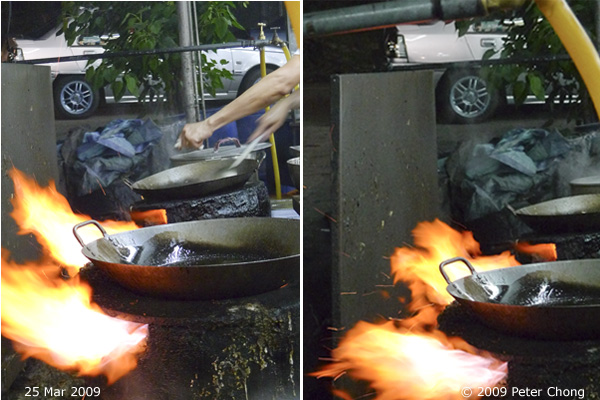
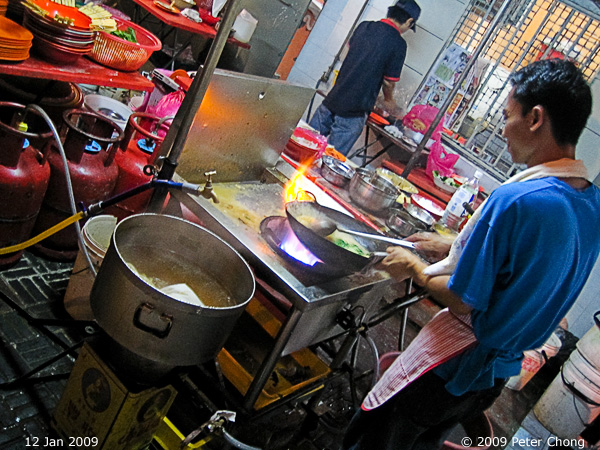
A powerful fire and the ability to control it is the critical component to the wok hei of a great hokkien mee. Fire fueled by compress air and kerosine is used in these huge stoves, so powerful, it will singe and burn food within seconds...and hence need a cook who is not only skilled at handling the heavy cast iron wok, but also strong enough to toss and turn the wok full of ingredents to make that wonderful concoctions that we call hokkien mee.

So on we go...first course, Black Hokkien Mee.


Black does not begin to describe it. Deep, dark...the noodles gleam in the light, and whiffs of fragrance rise to tease the nostrils as the plate is unceremoniously dumped on the table....this is no fine dining establishment...but a mere coffee shop somewhere in Petaling Jaya...but the food is heaven.

Unlike the one served in Jalan Imbi, this version had also thin bee hoon mixed into the mass of thick mee. But that is where the difference ends. Both had great mouthfeel...pork lard and crispy bits of lard pronounced itself on the palate as extreme pleasure. The slippery noodles, in the elegant...if I may describe the thick, black, slimy, smooth sauce as elegant...and the hot, spicy chilli belacan is wonderful. Excellent, excellent. I would be hard pressed to pick a winner, but if I must, I'd say the Imbi one is more fragrant, and edges the PJ one slightly. But both are excellent.

We also had the Kong Fu chao, but this was a disappointment...stay with Jalan Imbi for the wat tan konfu chao. There, the crispy beehoon is an pure inspiration with the soft, wok hei-ed flat rice noodles, and the beautiful sauce.

We also had a plate of Penang Lor Bak.


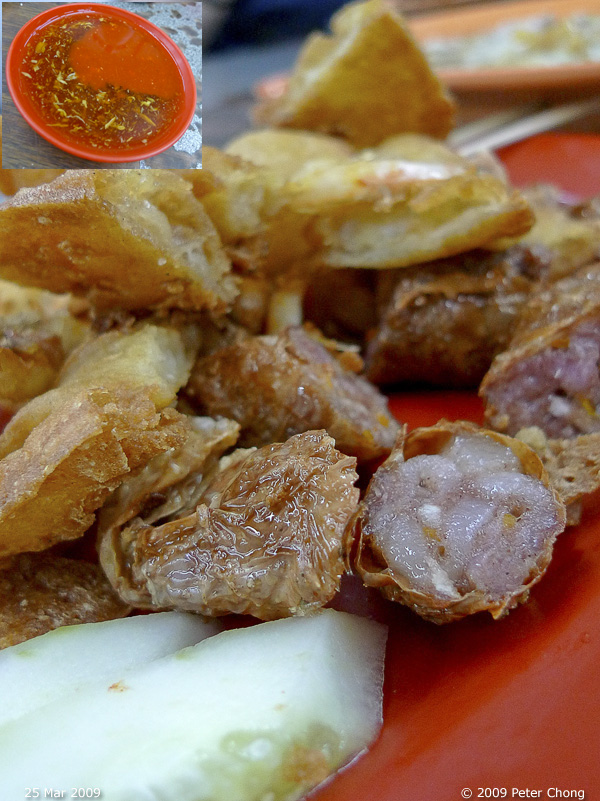
Somewhat similar to Singapore's Ngor Hiang (five flavours), the lor bak (literally translated as gravy meat) is sold semi-prepared and waiting. Take your pick from lor bak, heh chih (prawn fritters), tauhu, various sausages, fish fritters...and the stall owner will fry them up to a crisp and serve them.

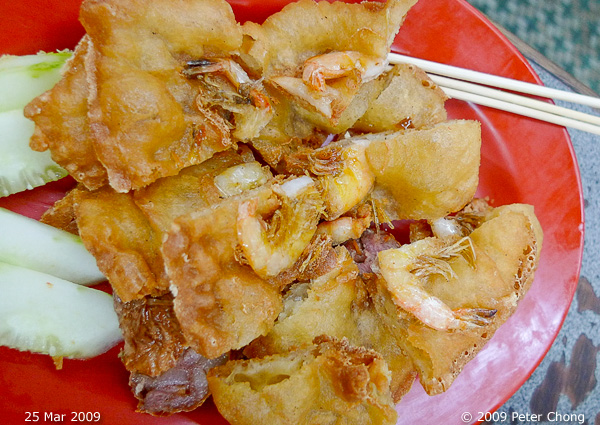
The prawn fritters above are particularly beautiful. Super crispy batter smother about 2 mid-sized prawns. Lovely, lovely flavour...the prawns were fresh, the batter delicious.


And the lor bak itself was special. Meat, chopped and combined with spices, wrapped in a soy bean skin, and deep fried. Magic...eaten with the yin/yang sauce of lor (brown sauce with streaks of egg...this is a very special and beguilling sauce only to be found by hawkers who do Penang Lor Bak). Combined...this is absolutely umami heaven. The pork within the lor bak is both lean and fat meat, and packs the punch and flavour.

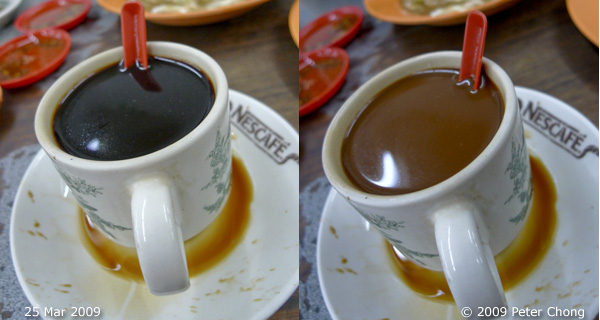
Even the coffee packs power...below the kopi-o...really black...and kopi with condensed milk. Thick, heavy mouthfeel, this makes one proud of the humble robusta bean used.


Excellent supper...except for the kongfu chao. Recommended to look it up.


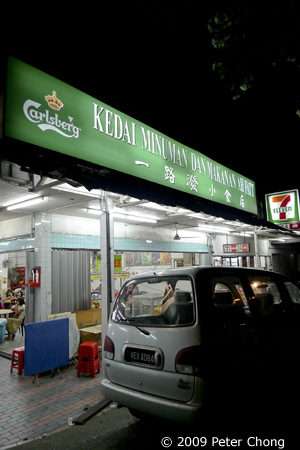
Kedai Minuman dan Makanan Ah Fatt
Ah Hwa Restoran sells the Hokkien Mee.
Penang Lor Bak
# 66, Jalan 14/48 (directly behind the Shell station at Jalan 222),
Petaling Jaya.
GPS: Lat: 3.09743 Lon: 101.62938
Click here for a map

Tuesday, February 3, 2009

KL Black Hokkien Mee

with Kennard, Shashi and Ray

Kuala Lumpur - foodie paradise. And some foods are unique to KL...the essential eats in the Malaysian capital include two magnificent hawker dishes - the Fukkien Chow, and the Kongfu Chow...the Hokkien Fried (Black hokkien mee) and the Cantonese Fried (the ying yang wide hor fun/kway teow and beehoon in wat tan sauce). Quintessential.

Fried on a high power, compressed air and gas fire stove, hot enough to render a wok red hot in seconds, the cooking is an art in itself...tossing, agitating, turning, flicking, stirring.


The firepower of the very hot stove provides the essential wok hei...breath of the wok...essential controlled micro-charring of the ingredients, creating a smokey flavour, a hint of burnt meat and wheat, and the beginings of a Maillard reaction on the meats.

The black hokkien mee is served:


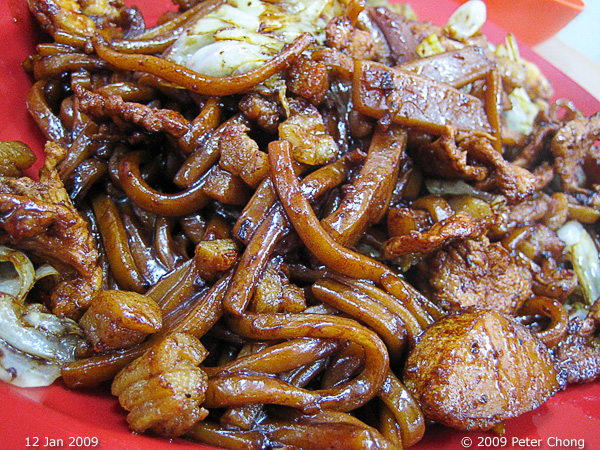
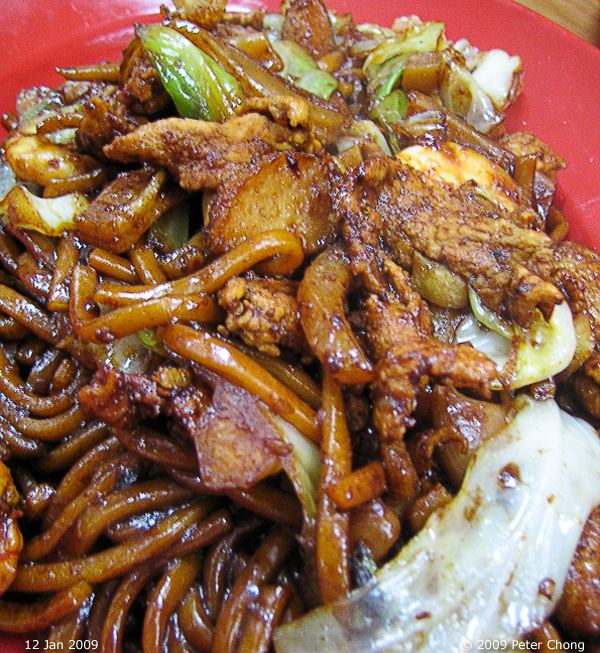
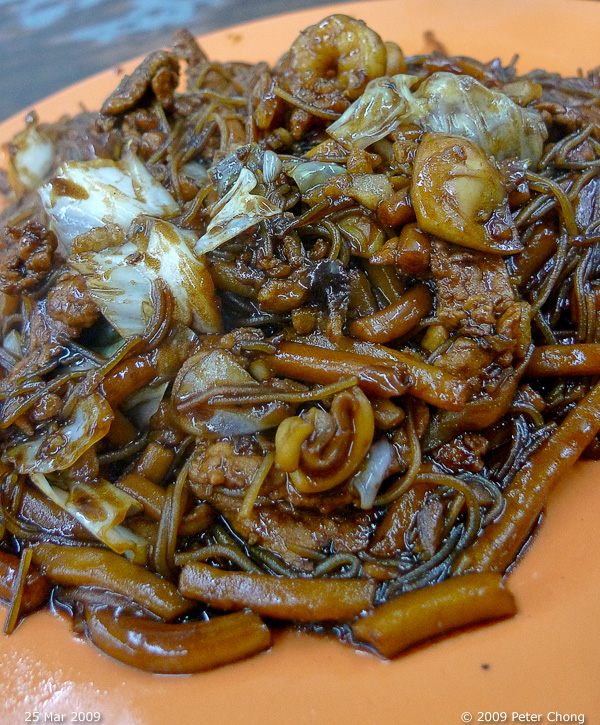
Fat yellow noodles are used. The noodles are so fat, they look like elongated udon, but yellow from the kee and possibly eggs used to make the noodles. The black sauce is magical...it is the right balance of sweet (very slight), and salty, and crustacean flavours from the stock. Fried in pork lard, the fat supports the mouth feel very well...but the taste is not one which is greasy, but rather one of extreme smoothness, allowing the noodles to slither into the mouth. Powerful wok hei is abundant.


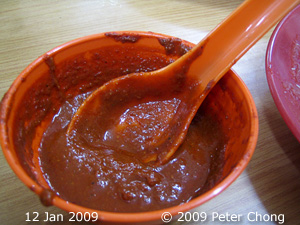
Crispy pork lard is sprinkled generously, ably providing crunch and texture. This particular version comes with fresh prawns, and cuts of sliced fish cake, and sliced pork. A special belachan chilli sauce provides the oomph to get an extra kick.


All in a bed of raw cabbage...which by the time one finishes the noodles, has become cooked by the heat of the noodles, and has absorbed the flavours from the sauce...Scrumptious.

This concoction, provides an impact beyond the taste. It speaks to all the senses, and engages the diner...coyly encouraging you to explore the complex, beguilling, seductive taste...the superb fragrance. As one puts a chopstick full of gravy embalmed noodles into one's mouth, the mouthfeel, the taste sensation is extraordinary. Emotionally it satisfies some hidden taste sensors...blowing the mind. Physically it satisfies...but not till one have had one's fill...this was not a dish to eat tasting portions, but a full sized portion is mandatory.

We also had the wat tan hor...or Kongfu chow.


Wat tan, meaning broken egg...an egg is stirred into the hot gravy mixture of pork, seafood and corn starch, allowing it to cook as it is being stirred...making egg strips...a beautiful thing to behold, but also packs eggy flavour to the sauce. The sauce is poured over a mixture of pre-fried hor fun...a thickly sliced fresh kway teow, and a deep fried, crispy bee hoon. As one cuts into the wat tan hor...the chop sticks meet with the crunchy, crispy bee hoon on one side, and the smooth, soft, flabby hor fun on the other. Tasty. Special for this store was the addition of huge chunks of cuttle fish. This provided a very nice touch...crunchy, springy, beautiful texture contrast to the soft kway teow, and crisp bee hoon.

There are many stores serving this combination of Fried Hokkiens and Cantonese...but not all are up to the mark. This one is quite up there amongst the stars. I do remember a store in Petaling Steet which serves up an even more delectable Hokkien Mee, and one in PJ somewhere. But most pale....and this one is easier to find for the casual visitor to KL, especially if you stay in the Golden Triangle area.


Kedai Kopi dan Makanan Weng Hing
183 Jalan Imbi
Corner of Jalan Imbi and Jalan Barat
Kuala Lumpur
GPS: lat 3.14541
long 101.714869

Photo notes: taken without flash in the evening, inside the coffee shop...lighting was dark. Shot with Kennard's Canon Ixus 40 at autoISO...for some reason, the ISO is not recorded in the camera's exif. Apologies for less than usual standard of pictures.